The most common orthodontic problems are crowding, spacing, overbite, underbite, crossbite, open bite, and protruding front teeth. These bite issues, called malocclusions, affect how you chew, speak, and clean your teeth. At San Marcos Orthodontics, board-certified orthodontists correct them with braces, Invisalign, and growth-guiding treatment.
Very few people have naturally perfect teeth, and that is exactly what orthodontics is for. Most bite and alignment concerns fall into a handful of common categories known as malocclusions, or bad bites. Left untreated, they can make brushing harder, wear down teeth unevenly, and affect chewing, speech, and confidence. The good news is that every one of them is treatable.
At San Marcos Orthodontics, our board-certified team identifies the root of the problem and builds a plan to fix it, often preventing bigger issues down the road. Here are the concerns we most often see and correct.
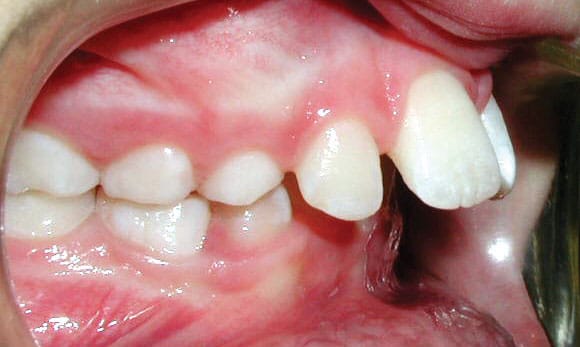
Protruding Front Teeth
Upper front teeth that stick out, sometimes called buck teeth, are more than a cosmetic concern. Protruding teeth are at higher risk of injury and can affect lip closure and confidence. Braces or aligners guide them into a safer, more natural position.
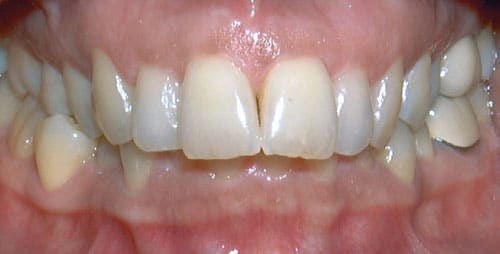
Overbite
An overbite is when the upper front teeth extend too far over the lower front teeth. A deep overbite can cause the lower teeth to bite into the roof of the mouth and lead to uneven wear. Orthodontic treatment, sometimes with elastics, brings the bite into a healthier relationship.
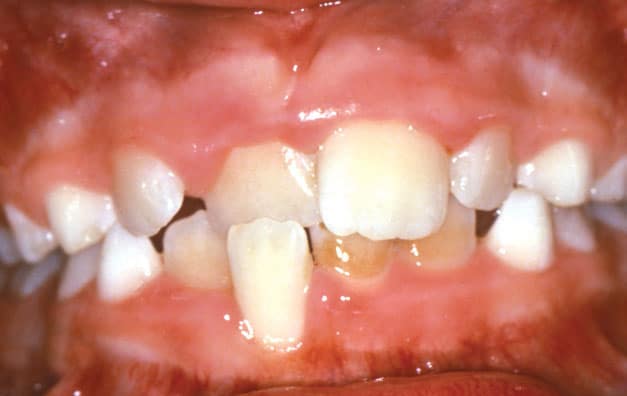
Crossbite
A crossbite occurs when some upper teeth sit inside the lower teeth instead of outside them. It can cause uneven jaw growth, tooth wear, and asymmetry. Crossbites frequently respond well to expansion and braces, especially when treated early during growth.
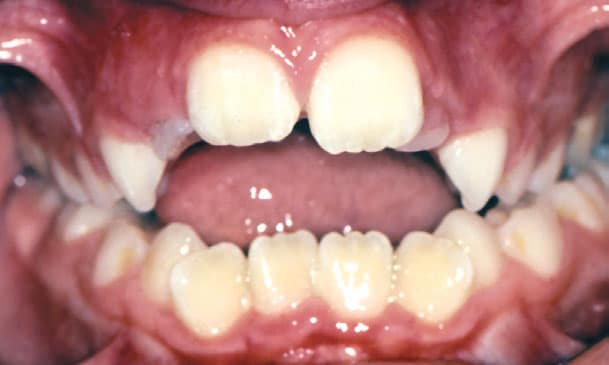
Open Bite
An open bite is when the upper and lower front teeth do not touch when the back teeth are closed. It can make biting and chewing difficult and is often linked to habits like thumb-sucking or tongue thrusting. Treatment addresses both the bite and any underlying habit.
Crowding
Crowding happens when there is not enough room in the jaw for all the teeth, causing them to overlap or twist. Beyond appearance, crowded teeth are harder to clean and more prone to decay and gum problems. Crowding is often corrected with braces or Invisalign, and in many cases, palatal expansion can create space and help avoid tooth removal.
Spacing
Spacing is the opposite of crowding, gaps between teeth caused by missing teeth, small teeth, or natural development. While sometimes purely cosmetic, spacing can also affect the bite and gum health. Braces and clear aligners close gaps and distribute the teeth evenly for a balanced smile.
Underbite
In an underbite, the lower jaw and teeth sit ahead of the upper front teeth. Because it often involves jaw growth, an underbite is best evaluated early, and in significant cases may involve growth guidance or, for adults, surgical orthodontics. Many underbites are corrected with orthodontics alone when caught at the right time.
Why Early Evaluation Matters
Many of these problems are easier to correct while a child is still growing, which is why the American Association of Orthodontists recommends a first visit by age seven. Catching a crossbite, underbite, or crowding early can guide jaw growth and simplify later treatment. Learn more about early orthodontic treatment. Of course, adults can correct these same issues too; it is never too late.
Frequently Asked Questions
Orthodontic problems can affect more than just the appearance of your smile—they can also impact oral health, bite function, and long-term comfort. Below are answers to common questions about crowding, spacing, overbites, underbites, crossbites, open bites, and the treatment options available to correct them.
What is a malocclusion?
Malocclusion is the clinical term for a bad bite, any misalignment of how the upper and lower teeth meet, including overbite, underbite, crossbite, crowding, spacing, and open bite.
Do bite problems cause health issues, or are they just cosmetic?
They can affect your health. Misaligned bites make teeth harder to clean and can cause uneven wear, jaw strain, and difficulty chewing or speaking. Correcting them protects long-term dental health.
Can adults fix these problems, or is it only for kids?
Adults can correct all of these issues. While some are easier to treat during growth, healthy teeth can be moved at any age with braces or Invisalign.
How do I know which problem I have?
A complimentary orthodontic evaluation is the best way to find out. We examine your bite, take digital images, and explain exactly what we see and how it can be treated.
Get a Complimentary Bite Evaluation in San Marcos
Not sure what is going on with your smile? Let us take a look. Call San Marcos Orthodontics at (760) 744-4444 or request an appointment for your free evaluation. We are located on West San Marcos Boulevard, serving San Marcos, Escondido, Vista, Carlsbad, and Encinitas.