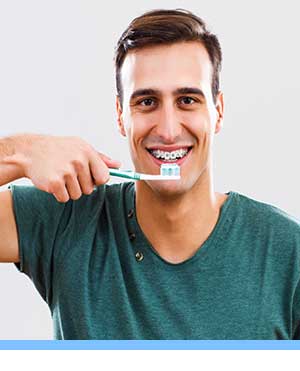
Braces are a proven and effective way to straighten teeth, correct bite issues, and improve long-term oral health. At San Marcos Orthodontics, we help patients of all ages understand what to expect during orthodontic treatment and how to care for their braces to achieve the best possible results. With the right guidance and daily habits, wearing braces can be a smooth and successful experience.
How Do I Brush and Floss Effectively With Braces?
Keeping your teeth and gums clean is especially important when you have braces. Brackets and wires can trap food and plaque, making thorough brushing and flossing essential throughout treatment.
Patients who do not maintain good oral hygiene may require more frequent dental cleanings. Adults with a history of gum disease should continue regular care with their general dentist or periodontist while undergoing orthodontic treatment.
We recommend using proper brushing and flossing techniques designed for braces to help protect enamel and keep gums healthy.
What Should I Eat (and Avoid) With Braces?
During the first few days after getting braces, soft foods are best while your mouth adjusts. As treatment continues, you can enjoy most foods with some precautions to protect your braces and keep treatment on schedule.
Avoid hard, sticky, or chewy foods that may damage brackets or wires. Cutting foods into smaller pieces can help reduce the risk of breakage and discomfort.
Which Foods Should I Avoid With Braces?
To prevent damage to your orthodontic appliances, it’s best to avoid:
- Chewy foods such as licorice
- Crunchy foods like popcorn and ice
- Sticky foods, including caramels and chewing gum
- Hard foods such as nuts and hard candies
- Foods that require biting into, like whole apples, corn on the cob, and raw carrots
Chewing on non-food items such as pens or fingernails can also damage braces and prolong treatment time.
Is Discomfort Normal After Getting Braces?
Yes. Mild soreness and tooth sensitivity are common for a few days after braces are placed or adjusted. Over-the-counter pain relievers such as Tylenol can help manage discomfort.
Your lips, cheeks, and tongue may also feel irritated as they adjust to braces. Orthodontic wax can be applied to brackets or wires to reduce irritation during this adjustment period.
Why Do My Teeth Feel Loose During Treatment?
Teeth loosening during orthodontic treatment is normal and necessary. Teeth must loosen slightly to move into their correct positions. Once treatment is complete, they will stabilize in their new alignment.
What Should I Do If a Wire or Bracket Comes Loose?
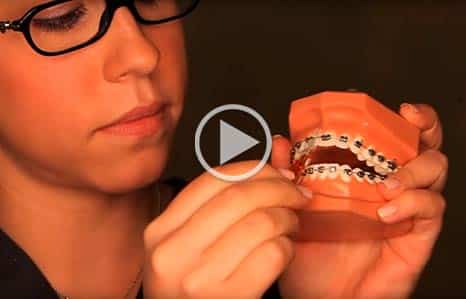
Loose wires or brackets can happen occasionally. If a wire is poking or irritating your mouth, you can gently push it back using the eraser end of a pencil and cover it with orthodontic wax for temporary relief.
Be sure to contact our office so we can schedule an appointment to repair the appliance and keep your treatment on track.
Why Is Wearing Rubber Bands So Important?
Rubber bands and other orthodontic appliances play a key role in correcting bite alignment. Wearing them exactly as prescribed allows teeth and jaws to move properly.
Not wearing rubber bands consistently or damaging appliances can extend treatment time, so following instructions closely is essential for efficient results.
Can I Play Sports While Wearing Braces?
Yes. Patients who play sports, especially contact sports, should let our team know. We can recommend or provide a protective mouthguard to help prevent injury and protect your braces during athletic activities.